
Modern construction increasingly depends on materials that combine strength, efficiency, flexibility, and attractive design. Among the options available today, multiwall polycarbonate sheets have become a practical choice for applications that require natural light, thermal performance, and dependable durability. Their lightweight structure and versatile appearance make them suitable for both functional and architectural projects.
Whether used for roofing, partitions, skylights, commercial structures, or outdoor spaces, multiwall polycarbonate sheets offer a useful combination of performance characteristics. Understanding their construction, advantages, design possibilities, and installation requirements can help project owners and designers make informed material decisions.
Understanding Multiwall Polycarbonate Sheets
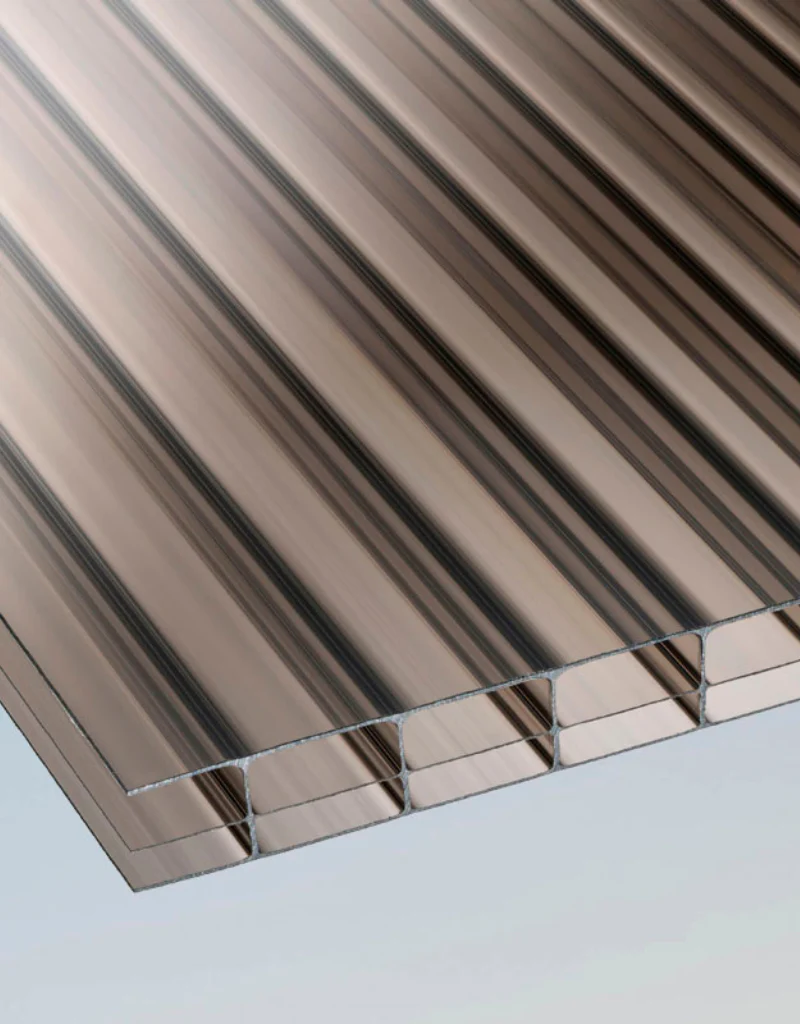
Multiwall polycarbonate sheets are lightweight panels made from polycarbonate, a strong thermoplastic material. Unlike solid sheets, these panels contain multiple layers connected by internal ribs or walls. This structure creates air spaces within the sheet, contributing to insulation while reducing overall weight.
The internal design can vary depending on the intended application. Common configurations include twin-wall, triple-wall, and multi-layer structures. Each design provides different levels of insulation, rigidity, light transmission, and weight.
One of the main characteristics of multiwall polycarbonate sheets is their ability to transmit daylight while providing a degree of thermal insulation. This makes them especially useful where designers want to reduce dependence on artificial lighting without creating a completely transparent building envelope.
Key Performance Advantages
Performance is one of the main reasons these sheets are selected for modern construction. Their structure provides several practical benefits.
Lightweight Construction
Polycarbonate is considerably lighter than many traditional glazing materials. The hollow structure of multiwall panels reduces material weight even further. This can simplify handling, transportation, and installation.
The lower weight can also reduce structural demands in certain projects. However, the supporting structure should always be designed according to local building requirements, wind loads, snow loads, panel dimensions, and manufacturer specifications.
Thermal Insulation
The air spaces between the walls of the panels help slow heat transfer. As a result, multiwall polycarbonate sheets can contribute to more comfortable interior temperatures compared with some single-layer glazing solutions.
Different panel thicknesses and structures provide different insulation levels. For buildings where energy performance is particularly important, designers should evaluate the panel’s thermal properties before selecting a specific configuration.
Impact Resistance
Polycarbonate is known for its impact resistance. This characteristic makes multiwall panels useful in locations where materials may be exposed to accidental impacts, weather conditions, or demanding environments.
Although the material is durable, it is not completely immune to damage. Correct handling, suitable fasteners, proper support spacing, and appropriate installation techniques remain essential for achieving long-term performance.
Natural Light Transmission
One of the most attractive features of multiwall polycarbonate sheets is their ability to allow daylight into a structure. Panels can be produced in clear, translucent, opal, tinted, and other finishes.
Translucent options can distribute light more evenly while reducing glare. This makes them useful for areas such as workshops, sports facilities, walkways, greenhouses, and commercial buildings.
Design Possibilities
Beyond technical performance, multiwall polycarbonate sheets offer considerable design flexibility. Their relatively low weight allows architects and builders to explore shapes and applications that may be more difficult with heavier glazing materials.
Roofing and Skylights
Roofing is one of the most common applications. Panels can be installed over patios, entrances, conservatories, commercial spaces, and other structures where daylight is desirable.
Skylight applications can also benefit from the material’s light-transmitting properties. By strategically placing panels, designers can introduce daylight without using large areas of conventional glass.
Interior and Exterior Partitions
Multiwall panels can be used for partitions where light transmission and privacy are both important. Translucent finishes can separate spaces while allowing natural illumination to pass through.
For exterior applications, the panels can contribute to a contemporary appearance while providing weather protection and functional performance.
Curved and Creative Structures
Certain multiwall polycarbonate sheets can be used in designs involving gentle curves, depending on the product’s specifications. This flexibility can support creative architectural concepts, particularly for canopies and lightweight structures.
Designers should confirm the permitted bending radius and installation method with the manufacturer rather than assuming that every panel can be curved in the same way.
Choosing the Right Panel
Selecting the appropriate multiwall polycarbonate sheets requires more than choosing a preferred color or appearance. Several technical factors should be considered.
Panel thickness is important because it can influence insulation, rigidity, weight, and light transmission. The number of walls or internal layers also affects the sheet’s structural and thermal characteristics.
UV protection is another important consideration for exterior applications. Panels designed with suitable UV protection can provide improved resistance to prolonged sunlight exposure.
Color and transparency should also match the project’s purpose. Clear panels can maximize daylight, while opal or tinted products may provide better glare control and visual comfort.
Installation Considerations
Proper installation is essential for maximizing the service life of polycarbonate panels. Manufacturers typically provide specific guidance concerning panel orientation, support spacing, fasteners, sealing systems, and expansion allowances.
Polycarbonate expands and contracts with temperature changes. Installation systems therefore need to accommodate thermal movement. Fixing panels too tightly can create unnecessary stress and may lead to problems over time.
The direction of internal ribs can also matter because many multiwall panels are designed to allow condensation or moisture to move toward designated drainage points. Correct positioning helps maintain the intended performance of the panel system.
Edges should be sealed according to the manufacturer’s recommendations. Appropriate tapes, profiles, and drainage solutions can help protect internal channels from dust and moisture.
Maintenance and Long-Term Performance
Multiwall polycarbonate sheets generally require relatively simple maintenance. Regular cleaning can help preserve appearance and light transmission.
Cleaning should normally be performed with suitable materials that will not scratch or chemically damage the surface. Abrasive cleaners and unsuitable solvents should be avoided unless specifically approved by the manufacturer.
Periodic inspection is also useful. Fasteners, seals, profiles, and panel edges can be checked for signs of movement, damage, or deterioration. Early attention to small issues can help prevent larger maintenance problems.
Balancing Performance and Design
The most effective use of multiwall polycarbonate sheets comes from balancing appearance with technical requirements. A visually attractive panel may not necessarily be appropriate for every climate or structural application.
Designers should consider factors such as local weather conditions, solar exposure, ventilation, insulation requirements, structural loading, and expected service life. Combining these considerations with the desired appearance helps create a more practical material specification.
For larger projects, technical data sheets and professional advice can be particularly valuable. Comparing thermal values, light transmission, impact resistance, fire performance, dimensions, and warranty conditions can make the selection process more reliable.
Conclusion
Multiwall polycarbonate sheets provide a versatile solution for projects that require lightweight construction, daylight transmission, thermal performance, and durable design. Their multi-layer structure gives them useful insulating characteristics while maintaining relatively low weight, making them suitable for applications ranging from roofing and skylights to partitions and architectural features.
Successful results depend on choosing the correct panel structure, thickness, finish, and protection level for the intended environment. Proper installation and routine maintenance are equally important for long-term performance.
By treating material selection as both a design and engineering decision, builders and designers can use multiwall polycarbonate sheets to create spaces that are functional, comfortable, durable, and visually appealing.
