Introduction
Jewelry is more than a decorative accessory; it represents personal style, creativity, emotions, and individuality. In today’s competitive fashion industry, customers increasingly prefer jewelry that reflects their personalities rather than mass-produced designs. This growing demand has encouraged jewelry brands, retailers, and independent designers to explore custom manufacturing solutions. Custom 925 sterling silver jewelry has become a popular choice because it combines timeless beauty, excellent craftsmanship, durability, and design flexibility.
Sterling silver offers an attractive balance between quality and affordability. Its bright appearance makes it suitable for everyday accessories, luxury-inspired collections, and personalized gifts. With customization, manufacturers can transform creative ideas into distinctive jewelry pieces that meet specific customer expectations. From elegant rings and necklaces to detailed bracelets and earrings, custom silver jewelry provides countless opportunities for innovation.
Understanding the Value of 925 Sterling Silver
Before developing a custom jewelry collection, it is important to understand what makes 925 sterling silver special. The term 925 indicates that the metal contains 92.5% pure silver and 7.5% other metals, typically copper. This combination improves the material’s strength while preserving the attractive appearance of silver.
Pure silver is relatively soft, which makes it less suitable for many everyday jewelry applications. Adding other metals creates a stronger material that can withstand regular handling and wear. As a result, sterling silver is widely used for manufacturing rings, pendants, chains, earrings, and other accessories.
Another important advantage is its versatility. Sterling silver can be polished, oxidized, engraved, textured, and combined with gemstones or other decorative elements. These characteristics allow designers to develop collections with different aesthetics, ranging from minimalist contemporary styles to traditional statement pieces.
The Creative Possibilities of Custom Jewelry Design
Customization allows jewelry businesses to move beyond standard designs and introduce products that reflect their unique brand identities. Instead of selecting existing styles from a catalog, businesses can collaborate with manufacturers to create original pieces.
Personalized Designs for Individual Preferences
Personalization is one of the strongest trends in the jewelry market. Customers often look for accessories that carry sentimental value or represent meaningful experiences. Initial pendants, engraved bracelets, birthstone rings, and customized necklaces are popular examples.
Manufacturers can incorporate names, dates, symbols, initials, and meaningful messages into different jewelry styles. These details make accessories more personal and create stronger emotional connections between products and customers.
Modern and Traditional Design Combinations
Successful jewelry collections often combine traditional craftsmanship with contemporary design concepts. For example, a classic sterling silver ring can feature a modern geometric shape, while a traditional pendant may include minimalist detailing.
Designers can experiment with different textures, shapes, finishes, and decorative elements to produce distinctive collections. This flexibility makes custom manufacturing valuable for brands targeting different customer demographics.
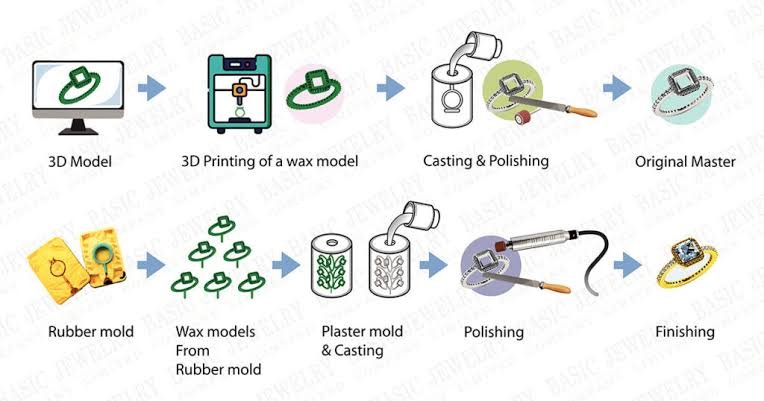
The Manufacturing Process Behind Exceptional Craftsmanship
Producing high-quality sterling silver jewelry requires careful planning, technical knowledge, and attention to detail. Every manufacturing stage contributes to the final appearance, durability, and overall quality of the finished product.
Concept Development and Design Planning
The manufacturing journey begins with an initial concept. Designers identify the intended style, target audience, materials, dimensions, and decorative features. They may create sketches or digital illustrations to communicate their ideas.
Computer-aided design (CAD) technology has made this process more accurate and efficient. Designers can develop detailed three-dimensional models that show how a jewelry piece will look from different angles. These models also help manufacturers identify potential design problems before production begins.
Prototyping and Sample Production
Once the design is approved, a prototype or sample is created. This stage allows designers and manufacturers to evaluate proportions, dimensions, comfort, and appearance.
A physical sample provides an opportunity to examine details that may not be fully apparent in digital models. Adjustments can be made to improve the design before large-scale production begins.
Casting and Metal Forming
Casting is a widely used technique for producing detailed sterling silver jewelry. The process involves creating a mold and pouring molten silver into it to achieve the required shape.
Other manufacturing techniques, including stamping, cutting, soldering, and forming, may also be used depending on the design. Skilled professionals select suitable methods to achieve accurate dimensions and consistent product quality.
Polishing and Surface Finishing
Finishing plays an essential role in creating attractive jewelry. After the primary manufacturing process, individual pieces are carefully refined to remove rough edges, imperfections, and unwanted surface marks.
Polishing creates a smooth and reflective appearance, while alternative finishing techniques can produce matte, brushed, or oxidized effects. Proper finishing enhances both the visual appeal and the perceived value of custom jewelry.
Choosing the Right Gemstones and Decorative Elements
Gemstones and decorative materials can transform simple silver accessories into distinctive fashion pieces. Manufacturers may incorporate cubic zirconia, natural gemstones, pearls, crystals, and other suitable materials.
The selection depends on the intended design, customer preferences, product positioning, and budget. For example, a minimalist necklace may require a single small gemstone, while a statement ring could feature a larger central stone surrounded by decorative accents.
Proper stone setting is equally important. Prong, bezel, and channel settings offer different visual effects and levels of protection. Experienced craftsmen ensure that stones are securely positioned and aligned with the overall design.
Quality Control and Material Authenticity
Quality control is essential for maintaining customer confidence and protecting a jewelry brand’s reputation. Every piece should undergo appropriate inspections before reaching the market.
Manufacturers should verify the silver composition, examine construction quality, and check finishing consistency. The 925 hallmark is commonly used to identify sterling silver, although businesses should also understand applicable testing, marking, and certification requirements in their target markets.
Important quality checks include:
- Material verification: Confirming that the silver meets the required 925 standard.
- Surface inspection: Checking for scratches, uneven polishing, and visible imperfections.
- Structural testing: Examining clasps, joints, soldering, and other functional components.
- Stone security: Ensuring gemstones and decorative elements are properly set.
- Final appearance: Confirming that the finished piece matches the approved design.
Consistent quality standards help manufacturers deliver reliable products and support long-term relationships with jewelry brands.
Why Custom Manufacturing Benefits Jewelry Businesses
Custom manufacturing provides several advantages for businesses looking to establish a recognizable market presence. One major benefit is product differentiation. Unique designs help brands distinguish themselves from competitors that sell similar mass-produced accessories.
Another advantage is greater control over product development. Businesses can select materials, finishes, dimensions, packaging requirements, and design features according to their commercial objectives.
Custom production also supports different business models. Small retailers may begin with limited collections, while established brands can develop larger product ranges based on customer demand.
Working with an experienced manufacturing partner can further improve production efficiency. Manufacturers with appropriate equipment, skilled workers, and organized processes can help businesses manage sampling, revisions, production schedules, and quality inspections.
Current Trends in Sterling Silver Jewelry
Consumer preferences continue to influence the development of new jewelry collections. Minimalist designs remain popular because they offer versatility and can complement different outfits. Simple chains, delicate rings, small hoop earrings, and understated pendants appeal to customers who prefer everyday accessories.
Personalized jewelry is another important category. Engraved names, meaningful symbols, customized initials, and birthstone combinations allow customers to express their identities.
Sustainability is also becoming increasingly relevant. Some jewelry businesses are exploring recycled silver, responsible sourcing practices, and environmentally conscious packaging. These approaches can help brands respond to changing consumer expectations while supporting more responsible production practices.
Layered necklaces, sculptural earrings, vintage-inspired details, and mixed-texture finishes also provide opportunities for creative product development.
How to Select a Reliable Jewelry Manufacturing Partner
Finding the right manufacturing partner is an important decision for any jewelry business. Companies should evaluate a manufacturer’s experience, technical capabilities, communication standards, and quality management processes.
Reviewing previous projects can help businesses understand the manufacturer’s design capabilities and finishing standards. Requesting samples is another useful way to evaluate workmanship before committing to larger orders.
It is also important to discuss minimum order quantities, production timelines, customization options, pricing structures, and shipping arrangements. Clear communication helps prevent misunderstandings and ensures that both parties understand the project requirements.
A dependable manufacturer should be willing to discuss design improvements, provide production updates, and maintain consistent quality throughout the manufacturing process.
Conclusion
Custom 925 sterling silver jewelry offers an excellent opportunity to combine creativity, quality, and commercial value. Its versatility, attractive appearance, and suitability for detailed designs make sterling silver an ideal material for developing distinctive jewelry collections.
From initial concept development and CAD modeling to casting, gemstone setting, polishing, and final inspection, every manufacturing stage contributes to the finished product. By prioritizing craftsmanship, material authenticity, and thoughtful design, jewelry businesses can create products that appeal to modern consumers.
Choosing an experienced manufacturing partner is equally important. With the right collaboration, brands can transform original concepts into beautifully crafted jewelry, strengthen their market identity, and build collections that remain attractive across changing fashion trends.