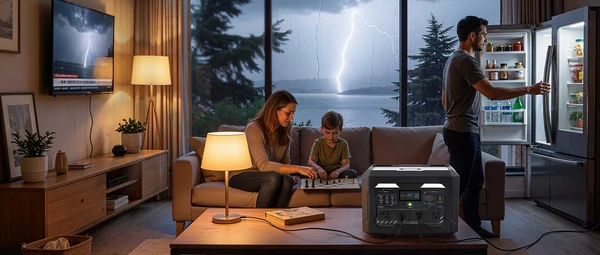
Understanding the Importance of Backup Power During Hurricanes
Hurricanes can cause severe damage to electrical infrastructure, leaving homes and businesses without reliable power for hours, days, or even longer. During these emergencies, having a dependable backup power system becomes essential for maintaining communication, safety, refrigeration, lighting, and other critical household functions. A well-planned hurricane battery backup capacity guide helps people understand how much stored energy they need and how to select a system that can handle their specific requirements.
Unlike traditional generators that rely on fuel, battery backup systems store electricity and provide a cleaner, quieter, and often safer way to keep essential devices running. However, choosing the correct battery capacity requires careful planning. Factors such as appliance usage, outage duration, energy consumption, and available charging options all influence the ideal backup solution.
What Is Battery Backup Capacity?
Battery backup capacity refers to the amount of energy a battery system can store and deliver during a power outage. It is usually measured in watt-hours (Wh) or kilowatt-hours (kWh). The higher the capacity, the longer the system can power connected devices before needing to be recharged.
For example, a small battery backup system may provide enough energy to charge phones, operate LED lights, and power a Wi-Fi router. A larger system may support refrigerators, medical equipment, fans, computers, and other essential appliances for extended periods.
A proper hurricane battery backup capacity guide focuses on calculating energy needs rather than simply choosing the largest battery available. Oversizing a system can increase costs unnecessarily, while choosing a unit with insufficient capacity can leave you without power when you need it most.
How to Calculate Your Hurricane Backup Power Needs
The first step in selecting a battery backup system is identifying the devices you need to keep running during a hurricane. Make a list of essential appliances and check their wattage ratings. Common emergency devices include:
- Refrigerators and freezers
- Mobile phone chargers
- Internet routers and modems
- Lights
- Fans
- Medical equipment
- Security systems
- Small kitchen appliances
After identifying each device, estimate how many hours per day you expect to use it. Multiply the appliance wattage by the operating hours to determine daily energy consumption.
For example, if a refrigerator uses 150 watts and runs for eight hours during an outage, it may require approximately 1,200 watt-hours of energy per day. Adding other devices helps determine the total battery capacity needed.
A reliable hurricane battery backup capacity guide recommends adding extra capacity because real-world conditions can vary. Extreme weather, increased usage, and charging limitations may require additional energy reserves.
Choosing the Right Battery Size for Hurricane Conditions
Battery sizes vary significantly depending on the needs of the user. Small portable power stations are suitable for short-term emergencies and basic electronics, while larger home backup systems are designed for extended outages.
A basic emergency setup may include a battery system between 500Wh and 1,000Wh. These units can support communication devices, lights, and small electronics. Medium-sized systems ranging from 1,000Wh to 3,000Wh can handle more demanding equipment, including refrigerators and additional household appliances.
For longer outages, homeowners may require systems above 3,000Wh or expandable battery storage solutions. These larger setups can provide greater independence and reduce reliance on external power sources.
The right choice depends on personal circumstances, location, hurricane frequency, and the importance of maintaining certain appliances during an outage.
Factors That Affect Battery Backup Performance
Several factors influence how well a battery backup system performs during hurricane emergencies. Understanding these factors helps users make better decisions when preparing for severe weather.
One important factor is battery efficiency. No battery delivers 100% of its stored energy because some power is lost during conversion. High-quality systems usually provide better efficiency and longer usable capacity.
Temperature can also affect performance. Extremely hot or cold environments may reduce battery lifespan and available energy. Proper storage and ventilation help maintain system reliability.
Charging options are another important consideration. Many modern battery systems can be recharged using solar panels, wall outlets, or vehicle charging ports. Solar charging can be especially useful during extended hurricanes when fuel supplies may be limited.
The Role of Solar Panels in Hurricane Backup Systems
Solar panels can improve the reliability of battery backup systems by providing a renewable charging source. After a hurricane, when power lines may remain damaged for several days, solar energy allows users to recharge batteries without depending on the electrical grid.
A solar-compatible backup system should be sized according to both battery capacity and available sunlight. Larger batteries may require more solar input to recharge efficiently.
A complete hurricane battery backup capacity guide should consider solar charging as part of a long-term emergency strategy. Combining battery storage with solar power can create a more flexible and sustainable backup solution.
Common Mistakes When Selecting Backup Battery Capacity
Many people make mistakes when preparing their hurricane power systems. One common error is focusing only on battery size without calculating actual energy requirements. A large battery may still fail to meet expectations if it cannot support high-powered appliances.
Another mistake is ignoring startup power requirements. Some appliances, especially refrigerators and pumps, require additional energy when they first turn on. A backup system must have enough output power to handle these temporary increases.
Failing to test the system before hurricane season is another problem. Regular testing ensures batteries are charged, cables work properly, and users understand how to operate the equipment during an emergency.
Maintaining Your Battery Backup System
Proper maintenance extends battery life and ensures reliable performance during storms. Users should regularly check battery levels, inspect cables, update system software when needed, and store equipment according to manufacturer recommendations.
Batteries should also be kept in a safe location away from moisture, extreme temperatures, and physical damage. Before hurricane season begins, it is wise to perform a complete system check and confirm that all essential devices can connect successfully.
Emergency preparation is not only about buying equipment but also about understanding how to use it effectively when conditions become challenging.
Building a Reliable Hurricane Emergency Power Plan
A battery backup system should be part of a larger hurricane preparedness plan. In addition to stored energy, households should have emergency supplies such as drinking water, food, medications, flashlights, and communication tools.
The best backup strategy balances energy needs, budget, available space, and expected outage conditions. By following a detailed hurricane battery backup capacity guide, homeowners can make informed decisions and avoid unexpected power shortages during dangerous weather events.
A properly sized battery backup system provides peace of mind by keeping essential technology and appliances operating when the electrical grid fails. With careful planning, accurate energy calculations, and regular maintenance, battery storage can become a valuable part of hurricane protection and emergency readiness.