
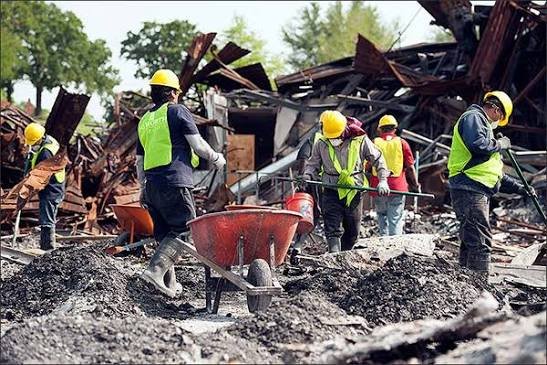
Unexpected property damage can disrupt daily life, threaten personal belongings, and create serious concerns about safety. Whether a property has experienced flooding, fire damage, severe weather, sewage backup, or another emergency, restoring it to a safe and functional condition requires disaster cleanup service careful planning and professional attention. A reliable disaster cleanup service helps property owners manage the recovery process, address potential hazards, and reduce the risk of further damage.
Understanding the essential steps involved in disaster cleanup can help homeowners and business owners make informed decisions during a stressful situation. From the initial assessment to the final restoration work, every stage plays an important role in bringing a damaged property closer to its original condition.
Understanding the Importance of Professional Disaster Cleanup
Disasters can affect more than the visible surfaces of a building. Water may penetrate walls and flooring, smoke residue can settle throughout a property, and damaged materials may conceal structural problems. In some situations, contaminated water or hazardous residues can also create health and safety concerns.
Professional cleanup teams understand how different types of damage affect buildings and their contents. They assess the situation, identify potential hazards, and determine which restoration methods are appropriate for the property.
A professional disaster cleanup service can also help property owners organize the recovery process more efficiently. Instead of attempting to manage every problem independently, owners can receive guidance on cleanup priorities, damaged materials, moisture control, and the next steps toward restoration.
Step 1: Assess the Damage and Identify Safety Risks
The first step in property recovery is evaluating the extent of the damage. Before cleanup begins, trained professionals inspect the affected areas to identify visible destruction, hidden problems, and possible safety hazards.
Following a fire, for example, an assessment may reveal smoke residue, damaged ceilings, weakened materials, and lingering odors. After flooding, professionals may look for standing water, moisture trapped behind surfaces, and materials that require specialized treatment.
Safety must remain the priority throughout this stage. Property owners should avoid entering unstable buildings or areas affected by electrical hazards, gas leaks, contaminated water, or other dangerous conditions. Emergency services and qualified specialists should address immediate risks before cleanup activities proceed.
A thorough assessment provides the information needed to develop a suitable recovery plan. It also helps establish priorities and reduces the likelihood of overlooking important areas.
Step 2: Prevent Further Property Damage
Once immediate safety concerns have been addressed, the next objective is to prevent the situation from becoming worse. Delays can allow certain types of damage to spread, increasing repair requirements and overall restoration costs.
For water-related incidents, prompt professional water removal and moisture management can help limit deterioration and reduce the conditions that encourage mold growth. After a storm, damaged openings may need appropriate temporary protection to prevent additional rainwater from entering the building.
Fire-damaged properties may require specialized removal of loose debris and professional treatment of smoke-affected areas. If a plumbing failure caused the incident, the underlying problem must also be corrected to prevent repeated water exposure.
The appropriate response depends on the type of disaster and the condition of the property. Professional teams prioritize urgent issues and recommend practical measures to protect unaffected areas whenever possible.
Step 3: Remove Water, Debris, and Contaminated Materials
Removing damaged materials is a central part of the disaster cleanup process. Depending on the incident, this may involve extracting water, clearing debris, separating salvageable belongings, or arranging the safe disposal of materials that cannot be restored.
Water damage requires particular attention because moisture can remain inside carpets, insulation, wooden structures, and other porous materials. Professional restoration teams use suitable equipment and assessment methods to determine the extent of moisture intrusion and guide the drying process.
After a fire or storm, cleanup may include removing damaged furniture, broken building materials, and other debris. Materials affected by sewage or hazardous substances may require specialized handling and disposal procedures.
Not every damaged item must automatically be discarded. Some furniture, documents, and personal belongings may be recoverable through appropriate cleaning or restoration techniques. Professionals can help property owners evaluate these items and make decisions based on safety, condition, and restoration feasibility.
Step 4: Clean and Decontaminate Affected Areas
Removing debris is only one part of restoring a property. Surfaces and materials may still contain contaminants, smoke residue, unpleasant odors, or other substances that require specialized treatment.
Professional cleaning methods vary according to the source of the damage. Smoke-affected surfaces may require appropriate cleaning agents and odor-control techniques. Properties affected by sewage or other biological contaminants may need controlled decontamination procedures performed by trained personnel.
A qualified disaster cleanup service selects cleaning methods based on the materials involved and the potential hazards present. Using an unsuitable product or applying an incorrect technique may damage surfaces or leave contaminants behind.
Thorough cleaning is particularly important in areas such as kitchens, bathrooms, utility rooms, and spaces containing porous building materials. Where necessary, specialists may recommend removing materials that cannot be safely cleaned or restored.
The objective is to establish a cleaner, safer environment before repairs and reconstruction begin.
Step 5: Dry the Property and Address Moisture Problems
Moisture management is essential after flooding, plumbing failures, firefighting activities, and other water-related incidents. Even when standing water has been removed, damp materials can continue to cause problems if they are not dried appropriately.
Professional restoration teams may use commercial dehumidifiers, air-moving equipment, and moisture measurement tools to support the drying process. They monitor affected areas and evaluate whether moisture levels have improved sufficiently for the next stage of restoration.
Hidden moisture deserves special attention because it may remain behind walls, beneath flooring, or inside insulation. If these conditions are overlooked, mold growth, material deterioration, and persistent odors may develop.
When mold is present or suspected, the response should reflect the extent of the problem and the materials affected. Significant growth or contamination may require qualified remediation specialists.
Proper drying helps protect the building and supports a more durable restoration outcome.
Step 6: Repair Structural Damage and Restore Essential Systems
After cleanup and necessary decontamination, the property may require repairs to return it to a functional condition. The scope of work depends on the severity of the incident and the building components affected.
Repairs may include replacing damaged drywall, restoring flooring, repairing ceilings, repainting walls, or replacing insulation. More serious incidents may require structural evaluations and reconstruction by qualified contractors.
Electrical, plumbing, heating, ventilation, and air conditioning systems should also be assessed when they may have been affected. Damaged systems should only be inspected, repaired, and returned to service by appropriately qualified professionals.
Coordinating cleanup and repair activities can help prevent unnecessary delays. Property owners should ensure that underlying problems have been addressed before cosmetic improvements are completed.
The goal is not simply to make the property look better. It is to restore safe functionality and reduce the likelihood of recurring problems.
Step 7: Document the Damage and Coordinate With Insurance
Documentation can make the recovery process easier to manage. Property owners should keep records of visible damage, affected belongings, professional assessments, cleanup activities, repair estimates, and related expenses.
Photographs and videos may help establish the condition of the property, provided they can be taken safely. Receipts, invoices, and written communications should also be organized for future reference.
When an insurance policy may cover the incident, owners should contact their insurer promptly and follow the applicable reporting requirements. Coverage depends on the policy terms, exclusions, circumstances of the loss, and other relevant conditions.
A professional cleanup provider may be able to supply inspection findings, itemized estimates, and service records. However, property owners should confirm directly with their insurer which documents are required and whether specific approvals are necessary before proceeding with non-emergency work.
Keeping clear records supports better communication and helps property owners track progress throughout restoration.
Choosing the Right Disaster Cleanup Service
Selecting an appropriate restoration provider is an important decision after unexpected property damage. Owners should look for a company with relevant experience, trained personnel, suitable equipment, and established safety procedures.
It is also useful to ask about the company’s experience with the specific incident, its assessment process, the expected scope of work, and its approach to communication. Any necessary licensing, certifications, insurance, or specialist qualifications should be verified according to local requirements and the services being performed.
A trustworthy provider should explain its recommendations clearly, identify work that requires additional specialists, and provide realistic expectations about timelines and costs.
Property owners should be cautious of guarantees that promise complete restoration before the damage has been properly assessed. Clear documentation and transparent communication are valuable indicators of a professional approach.
Conclusion
Recovering from unexpected property damage involves much more than removing debris or repairing visible surfaces. It requires a structured process that addresses safety, prevents further deterioration, removes damaged materials, manages contamination, controls moisture, and restores essential building components.
A dependable disaster cleanup service can guide property owners through these stages and help them make informed decisions during a challenging period. By arranging a timely assessment, choosing qualified professionals, documenting the damage, and following a carefully planned restoration process, homeowners and businesses can work toward a safer and more reliable recovery.
Although every disaster presents different challenges, a methodical approach helps protect property, manage restoration priorities, and establish a stronger foundation for returning to normal daily activities.
