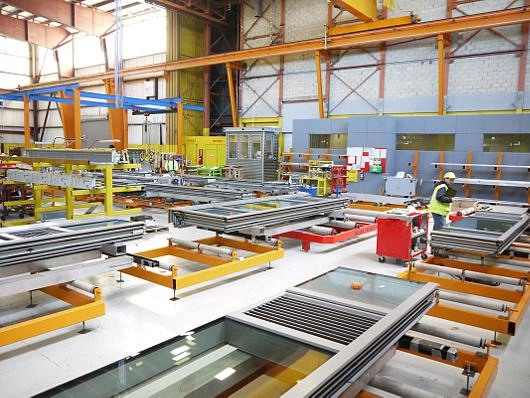
Modern architecture continues to evolve with a growing focus on aesthetics, energy efficiency, structural performance, and sustainability. Glass facades and advanced building envelopes have become essential features of contemporary commercial, residential, and institutional buildings. These systems create attractive exterior appearances while allowing natural light to enter indoor spaces. Behind every successful curtain wall installation is a reliable curtain wall supplier that provides quality materials, technical expertise, and dependable solutions tailored to project requirements.
Selecting the right supplier is an important decision for architects, contractors, developers, and construction professionals. A trusted partner can help ensure that curtain wall systems meet design expectations, comply with relevant building standards, and deliver long-term performance.
Understanding Curtain Wall Systems
A curtain wall is a non-structural exterior covering attached to a building’s structural frame. Unlike load-bearing walls, it does not support the building’s floors or roof. Instead, it protects the interior from environmental conditions such as wind, rain, temperature changes, and external noise.
Most modern curtain wall systems use aluminum framing combined with glass panels. Other materials, including stone, metal, and composite panels, may also be incorporated into specific designs. These systems are commonly used in office towers, shopping centers, hotels, hospitals, educational facilities, and other large structures.
A professional curtain wall supplier provides the components needed to create these systems, including framing profiles, glazing materials, gaskets, sealants, brackets, and installation accessories. The supplier’s role extends beyond delivering products. Technical support, material selection, customization, and quality assurance are also important parts of the service.
The Importance of Choosing a Reliable Curtain Wall Supplier
The quality of a building’s exterior envelope directly affects its appearance, comfort, safety, and operational efficiency. Working with an experienced supplier helps construction teams avoid material inconsistencies, installation complications, and unnecessary project delays.
Product Quality and Durability
High-quality curtain wall components are designed to withstand environmental exposure and everyday structural movement. Aluminum frames should have appropriate strength and corrosion resistance, while glass should meet the project’s safety, thermal, and performance requirements.
A dependable curtain wall supplier sources or manufactures products according to recognized quality standards. Consistent material specifications help reduce the risk of premature deterioration, water leakage, and performance problems.
Technical Knowledge and Professional Support
Curtain wall projects often involve complex architectural details and engineering requirements. Suppliers with technical expertise can assist with system selection, product specifications, structural considerations, and coordination with architects and contractors.
Their knowledge can help project teams identify suitable solutions for different building heights, climates, exposure conditions, and design objectives. Early technical consultation may also prevent costly modifications during construction.
Timely Delivery and Project Coordination
Construction schedules depend on the availability of materials and accurate delivery planning. Delayed curtain wall components can affect several connected activities, including exterior finishing, interior work, and final building completion.
An organized supplier coordinates production, packaging, transportation, and delivery according to agreed project schedules. Clear communication about product availability and manufacturing timelines supports smoother project management.
Key Products Offered by Curtain Wall Suppliers
The range of products available depends on the supplier’s manufacturing capabilities and project specialization. Understanding the major components helps buyers evaluate whether a supplier can meet their requirements.
Aluminum Curtain Wall Frames
Aluminum is widely used in curtain wall construction because it is lightweight, durable, and suitable for different architectural designs. Aluminum profiles can be manufactured in various shapes, finishes, and dimensions.
They provide the framework that holds glass or other facade materials in position. High-quality profiles also contribute to the system’s structural stability and visual consistency.
Glass Panels and Glazing Solutions
Glass is one of the most recognizable elements of contemporary curtain wall architecture. Different glass options provide different levels of insulation, light transmission, privacy, and solar control.
Common choices include tempered glass, laminated glass, insulated glass units, tinted glass, and low-emissivity glass. The appropriate selection depends on safety requirements, building orientation, climate, and energy goals.
Gaskets, Sealants, and Accessories
Small components play an important role in overall curtain wall performance. Gaskets and sealants help prevent air and water infiltration, while brackets, fasteners, and connectors secure system components.
A professional curtain wall supplier should provide compatible accessories and clear product specifications to support correct installation and long-term reliability.
Popular Types of Curtain Wall Systems
Different buildings require different facade solutions. Suppliers typically offer several system designs to accommodate architectural preferences, construction methods, and performance objectives.
Stick-Built Curtain Wall Systems
Stick-built systems are assembled piece by piece at the construction site. Vertical mullions and horizontal transoms are installed first, followed by the glass or other infill panels.
This approach offers flexibility for projects with complex shapes or varying facade dimensions. It can also be useful where site access or transportation limitations make large prefabricated units difficult to handle.
Unitized Curtain Wall Systems
Unitized systems are manufactured and assembled into large panels within a controlled factory environment. These panels are then transported to the construction site and installed as complete units.
Factory production can improve manufacturing consistency and reduce the amount of assembly required on-site. Unitized systems are frequently considered for high-rise buildings and large projects where installation speed is important.
Semi-Unitized Curtain Wall Systems
Semi-unitized systems combine elements of stick-built and unitized construction. Certain components are prepared in advance, while other elements are assembled at the site.
This approach provides flexibility for projects that need a balance between factory preparation and on-site customization. The final design depends on building requirements and the contractor’s installation strategy.
Energy Efficiency and Sustainable Architecture
Energy performance has become a major consideration in modern construction. Building facades influence how much heat enters or leaves a structure, how much natural light is available, and how much energy is required for heating, cooling, and lighting.
A knowledgeable curtain wall supplier can help project teams select suitable glazing and framing solutions for improved thermal performance. Insulated glass units, low-emissivity coatings, thermal breaks, and solar-control glass can contribute to better energy efficiency when properly specified.
Natural daylight can also reduce dependence on artificial lighting during daytime hours. However, excessive solar heat gain may increase cooling requirements, so designers must balance daylight access with shading and thermal control.
Sustainable material selection is equally important. Aluminum can be recycled, and choosing durable, properly specified components can support longer service life and reduce replacement requirements. Suppliers that provide transparent material information and responsible sourcing practices can help construction teams make more informed decisions.
Important Factors to Consider When Selecting a Supplier
Choosing a supplier requires more than comparing product prices. Buyers should evaluate the company’s experience, product range, technical capabilities, and ability to support the complete project.
First, review the supplier’s previous projects and experience with similar building types. A company familiar with high-rise developments may have different capabilities from one specializing in smaller commercial installations.
Second, request product specifications, technical documentation, and relevant quality certifications. Confirm that the proposed materials can meet the project’s structural, weather-resistance, fire-safety, and energy-performance requirements.
Third, examine customization capabilities. Contemporary architecture frequently includes unique dimensions, curved surfaces, special finishes, and complex facade geometries. A supplier with flexible production capabilities may be better equipped to accommodate these needs.
Communication is another essential consideration. A dependable supplier should respond clearly to technical questions, explain delivery schedules, and provide accurate information about product availability. After-sales assistance and access to replacement components can also be valuable throughout a building’s operational life.
The Role of Quality Control and Testing
Curtain wall performance depends on the quality of individual components and how effectively the complete system works together. Quality control should therefore be considered throughout design, manufacturing, transportation, and installation.
Depending on project specifications and applicable regulations, curtain wall systems may require testing for air leakage, water penetration, wind-load resistance, and structural performance. Thermal and acoustic assessments may also be necessary.
Manufacturers and suppliers should provide relevant test reports and technical documentation when requested. Project teams should verify that testing applies to the proposed system configuration rather than assuming that results for one design automatically cover another.
Proper installation is equally important. Even high-quality materials can experience problems when assembled incorrectly or used outside their intended specifications. Coordination between the supplier, facade consultant, installer, and main contractor supports better project outcomes.
Conclusion
A reliable curtain wall supplier plays an important role in delivering attractive, durable, and high-performing building exteriors. From aluminum framing and glazing products to technical support and delivery coordination, the supplier contributes to multiple stages of facade development.
As contemporary architecture increasingly prioritizes sustainability, energy efficiency, safety, and distinctive design, the demand for advanced curtain wall solutions continues to grow. By evaluating product quality, technical expertise, customization options, testing documentation, and service reliability, construction professionals can select a supplier that supports their project objectives.
The right partnership helps transform architectural concepts into functional building envelopes that provide lasting value, improve occupant comfort, and enhance the appearance of modern structures.