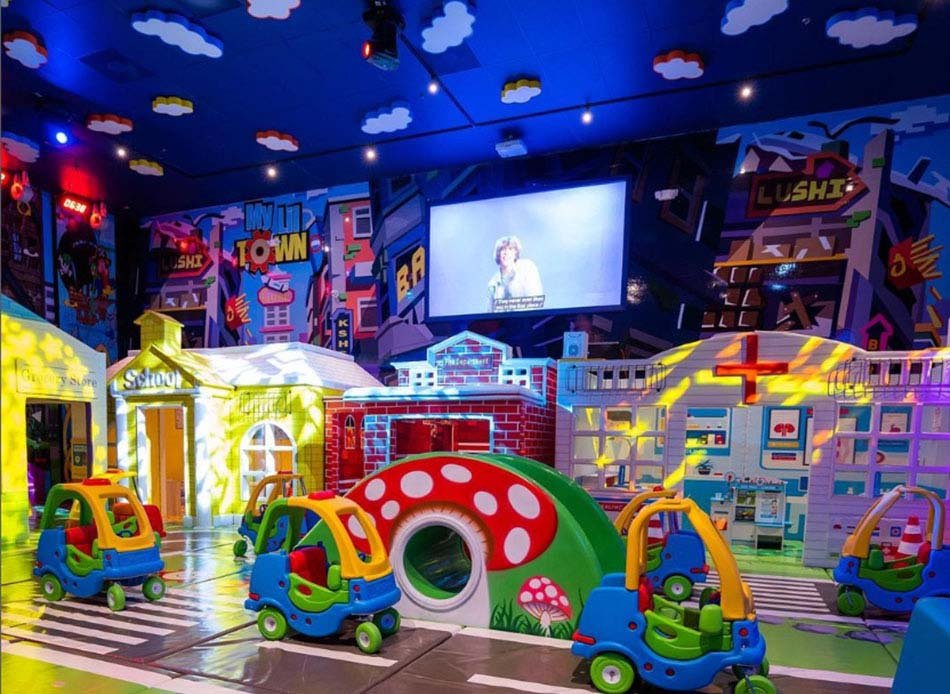
The family entertainment industry is booming, and indoor playgrounds have become a cornerstone for profitability in retail spaces, family entertainment centers, museums, and restaurants. However, diving into this lucrative market requires more than just a vibrant space and a passion for children’s entertainment. The success of your business heavily relies on the physical infrastructure you choose. Investing in high-quality commercial indoor playground equipment is a critical decision that will dictate your operational safety, maintenance costs, and long-term customer satisfaction.
Whether you are launching a brand-new facility or expanding an existing entertainment venue, navigating the market requires a strategic approach. To ensure your investment yields maximum returns, several vital factors must be carefully evaluated before making a purchase.
Understanding Safety Standards and Regulatory Compliance
Safety is the absolute priority when operating any children’s play facility. Parents entrust you with their children’s well-being, and a single safety failure can lead to catastrophic reputational and financial damage. Therefore, the commercial indoor playground equipment you select must comply with recognized international and national safety standards.
Look for manufacturers whose products comply with ASTM (American Society for Testing and Materials) standards in the United States, EN standards in Europe, or equivalent regional safety bodies. These regulations dictate structural integrity, fall heights, entrapment hazards, and toxic material restrictions. Furthermore, ensure that all materials used—from the structural steel framing to the soft foam padding and plastic slides—are flame-retardant, non-toxic, and free from harmful chemicals like lead and phthalates. Requesting compliance certificates from your supplier is a non-negotiable step in the vetting process.
Defining Your Target Age Groups and Demographics
A common mistake made by new investors is trying to build a one-size-fits-all playground. Children across different developmental stages have vastly different physical capabilities, attention spans, and play styles. Designing a space that caters effectively to your core demographic is essential for keeping families engaged for longer periods.
When planning your layout with commercial indoor playground equipment, segment the play areas into distinct zones:
- A dedicated toddler area featuring low-rise soft shapes, sensory panels, gentle slides, and interactive crawling tunnels for children aged six months to three years.
- An active junior zone for children aged four to eight years, incorporating multi-level climbing structures, moderate obstacle courses, and spiral slides.
- An adventure zone for older kids featuring high ropes courses, ninja warrior elements, interactive digital games, and steep slide drops.
By catering to multiple age brackets simultaneously, you ensure that families with children of varying ages can stay and play comfortably, maximizing your revenue per visitor.
Space Optimization and Layout Planning
Every square foot of your commercial real estate represents a financial cost in rent and utilities. Consequently, optimizing your floor plan is critical to maximizing your return on investment. The layout should not only look visually stunning from the entrance but also ensure smooth traffic flow, clear visibility for parents, and efficient space utilization.
Ceiling height is one of the most restrictive and important physical constraints. Many modern commercial indoor playground equipment packages feature multi-level structures that require clear vertical clearance of at least ten to twenty feet. Work closely with experienced manufacturers who can provide customized 3D layout designs tailored to your exact architectural dimensions, pillar placements, and emergency exits.
Additionally, incorporate comfortable seating areas for parents with unobstructed sightlines into the play structure. Happy parents who can relax while watching their children play are far more likely to stay longer at your facility, leading to higher ancillary spending at your cafe or snack bar.
Material Quality, Durability, and Maintenance
Commercial play structures endure heavy daily wear and tear from hundreds of active children. Choosing substandard materials to save money upfront will inevitably result in high maintenance costs, frequent repairs, and premature replacement.
High-grade commercial indoor playground equipment is typically constructed using specific robust materials:
- Galvanized Steel Pipes: The structural backbone of the playground, treated to resist rust and corrosion, providing a rigid and stable framework.
- High-Density EVA Foam: Used for padding poles and flooring to cushion falls effectively without degrading quickly over time.
- Heavy-Duty PVC Vinyl: Covering the foam padding, this material should be tear-resistant, UV-resistant, waterproof, and easy to sanitize daily.
- Rotomolded LLDPE Plastic: Linear low-density polyethylene used for slides, tunnels, and panels, ensuring seamless, durable, and weather-resistant components that won’t crack under heavy impact.
Discuss the expected lifespan of each component with your supplier and ask for a detailed maintenance manual. Routine cleaning and prompt minor repairs are essential to extending the life of your investment and ensuring ongoing safety.
Customization and Theming Options
In a competitive market, generic playgrounds often blend into the background. To capture children’s imaginations and create a memorable brand identity, your commercial indoor playground equipment should feature a cohesive, immersive theme.
Theming transforms a standard playground into an unforgettable adventure. Popular themes include enchanted forests, deep-space galaxies, underwater kingdoms, jungle safaris, and futuristic cyber cities. Customization extends beyond visual aesthetics; it also allows you to tailor the specific play elements to your available space and budget. Working with a manufacturer that offers bespoke design services enables you to integrate your brand colors, logos, and unique interactive elements that competitors simply cannot replicate.
Budgeting, Cost Considerations, and ROI
Investing in commercial indoor playground equipment is a substantial capital expenditure, but it should be viewed through the lens of long-term return on investment. The initial equipment cost is only one piece of the financial puzzle. You must also budget for shipping, professional installation, flooring installation, safety surfacing, insurance, and ongoing maintenance.
When evaluating supplier quotes, avoid making decisions based solely on the lowest price tag. Cheap equipment often compromises on material thickness, structural integrity, and warranty coverage. A slightly higher initial investment in premium equipment typically translates to lower downtime, fewer maintenance headaches, and a longer operational lifespan. Furthermore, inquire about the manufacturer’s warranty terms. Reputable suppliers stand by their products, offering comprehensive warranties on steel structures, plastics, and soft play components.
Building a Profitable Play Space
Investing in commercial indoor playground equipment is a journey that demands meticulous planning, rigorous safety evaluations, and a deep understanding of your target market. By prioritizing safety compliance, optimizing your physical space, selecting durable materials, and creating an immersive thematic experience, you lay a solid foundation for a thriving family entertainment business.
Take the time to partner with reputable, experienced manufacturers who can guide you from the initial blueprint stage to final installation. With the right equipment and a strategic business model, your indoor playground will become a beloved community hub and a highly profitable enterprise for years to come.