In today’s visually driven world, LED displays have become an indispensable medium for advertising, entertainment, corporate communication, and public engagement. From massive outdoor billboards lighting up bustling city squares to high-resolution indoor video walls in corporate boardrooms and control centers, the demand for cutting-edge visual technology continues to surge. However, investing in an LED display is a significant financial and strategic commitment. The success, longevity, and return on investment of your display project depend heavily on one crucial decision: choosing the right LED Display Manufacturer.
Navigating the vast landscape of global manufacturers can be overwhelming, especially with numerous suppliers offering seemingly similar products at vastly different price points. Selecting a partner goes beyond simply comparing price tags; it requires a comprehensive evaluation of manufacturing capabilities, technological innovation, product quality, and long-term support. This article explores the top factors you must evaluate when partnering with an LED display manufacturer to ensure your project achieves maximum impact and reliability.
1. Quality and Reliability of Raw Materials
The foundation of any high-performing LED screen lies in the quality of its components. When evaluating an LED Display Manufacturer, you must inquire deeply about their supply chain and the specific components they utilize. The market is flooded with varying grades of LEDs, driver ICs, and power supplies, and the choices made here directly dictate the screen’s performance, color accuracy, and lifespan.
- LED Chips: Look for manufacturers that partner with globally recognized LED chip brands (such as Nationstar, Epistar, Nichia, or Cree). High-quality chips ensure consistent brightness, superior color uniformity, and lower degradation rates over thousands of hours of operation.
- Driver ICs: Advanced driver ICs are essential for high refresh rates, eliminating visual scan lines or flickering, especially when captured by broadcast cameras.
- Power Supplies: Reliable, energy-efficient power supplies (such as Mean Well or equivalent tier-one brands) protect the screen from power surges, reduce heat generation, and prevent unexpected system failures.
A reputable manufacturer will be completely transparent about their bill of materials and will not compromise on internal components to cut costs.
2. Manufacturing Capabilities and Technological Innovation
The LED display industry evolves at a rapid pace, with innovations in pixel pitch, energy efficiency, mechanical design, and smart control systems emerging regularly. Partnering with a forward-thinking LED Display Manufacturer ensures that your installation remains state-of-the-art for years to come.
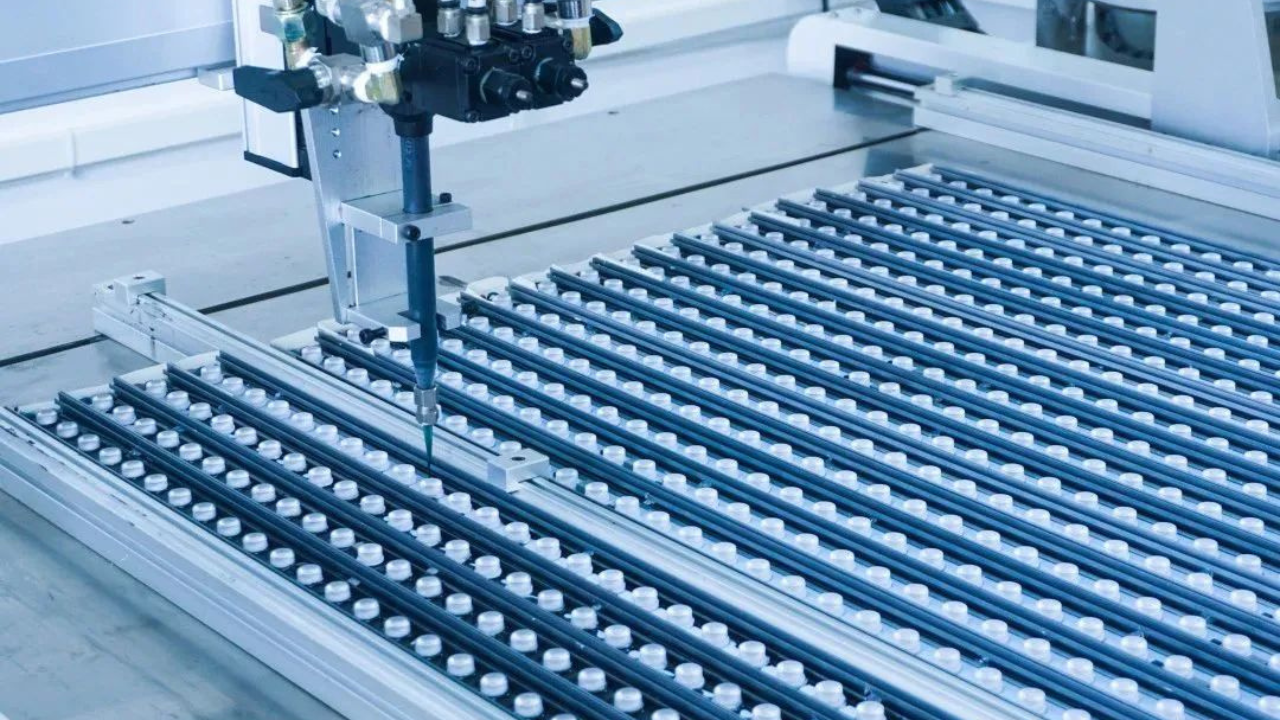
Assess the manufacturer’s production facilities, factory scale, and automation levels. Modern facilities utilize Surface-Mount Technology (SMT) placement machines, automated optical inspection (AOI) systems, and rigorous aging tests. Automation minimizes human error and guarantees precision in pixel alignment, which is critical for fine pixel pitch LED walls. Furthermore, inquire about their research and development investments. Do they hold patents for unique cabinet designs, thermal management systems, or energy-saving technologies? A manufacturer with strong R&D capabilities can also offer customized solutions if your project demands non-standard shapes, curves, transparent displays, or specific architectural integrations.
3. Product Portfolio and Customization Flexibility
Every project has unique spatial, environmental, and aesthetic requirements. An exceptional LED Display Manufacturer should offer a comprehensive product portfolio tailored to diverse applications, including fixed indoor installations, rental and staging displays, outdoor billboards, transparent screens, and creative curved or flexible modules.
Beyond standard catalog offerings, flexibility in customization is a major differentiator. Can the manufacturer adjust cabinet sizes, modify brightness levels for high-ambient-light environments, or engineer custom mounting structures for challenging architectural spaces? Evaluating their past portfolio of bespoke projects will give you confidence in their engineering prowess and ability to turn complex design concepts into physical reality.
4. Rigorous Quality Control and International Certifications
Because LED displays are complex electronic systems deployed in critical public and commercial environments, safety and compliance are non-negotiable. A trustworthy LED Display Manufacturer will adhere to strict quality control protocols throughout the entire production lifecycle—from raw material inspection and PCB soldering to module assembly and final aging tests.
Before finalizing a partnership, verify that the manufacturer holds relevant international certifications. These typically include CE, RoHS, FCC, ETL, and ISO9001 quality management certifications. These credentials serve as independent verification that the products meet stringent global standards for electromagnetic compatibility, electrical safety, environmental protection, and manufacturing excellence. Skipping this step can lead to regulatory compliance issues, import delays, or potential safety hazards down the line.
5. Comprehensive After-Sales Support and Warranty Terms
An LED display is a long-term asset, typically designed to operate for 50,000 to 100,000 hours. Because technical issues can occasionally arise due to environmental factors, power fluctuations, or component wear, robust after-sales support is vital.
When vetting an LED Display Manufacturer, examine their warranty policies closely. A reliable manufacturer will offer a comprehensive warranty covering key components like modules, power supplies, and receiving cards, typically ranging from two to five years. Moreover, evaluate their technical support infrastructure: Do they provide remote diagnostics, responsive customer service, and readily available spare parts? Having access to local service centers or swift international shipping for replacement parts can minimize costly downtime, especially for commercial advertising screens where every hour of black screen translates to lost revenue.
6. Total Cost of Ownership and Value Proposition
While initial procurement cost is often the first metric decision-makers look at, focusing solely on the cheapest option is a dangerous pitfall in the LED display industry. Low-cost displays often utilize inferior components that result in rapid brightness decay, color shifting, high power consumption, and frequent component failures, ultimately driving up maintenance costs and ruining your visual investment.
When calculating your budget, evaluate the Total Cost of Ownership (TCO). A high-quality display from a reputable LED Display Manufacturer may carry a higher upfront price tag, but it offers superior energy efficiency, lower failure rates, longer operational lifespan, and better overall visual performance. Balancing initial investment with long-term reliability ensures true cost-effectiveness and a stronger return on investment.
Conclusion
Choosing the right partner for your visual communication project is a decision that extends far beyond the immediate purchase. By carefully evaluating the quality of raw materials, manufacturing sophistication, product versatility, regulatory compliance, after-sales support, and total cost of ownership, you can mitigate risks and secure a world-class visual solution.
Collaborating with an established, reliable LED Display Manufacturer ensures that your investment not only meets your current communication and aesthetic goals but also stands the test of time, delivering vibrant, flawless performance for years to come. Take the time to conduct thorough research, request product samples, and vet potential partners to build a foundation for long-term success.